Latest from BCA Research

An energy price spike caused by a Middle Eastern war almost guarantees that Republicans will lose control of the House, and the chance of a Democratic Senate victory increases from 35% to 40%.
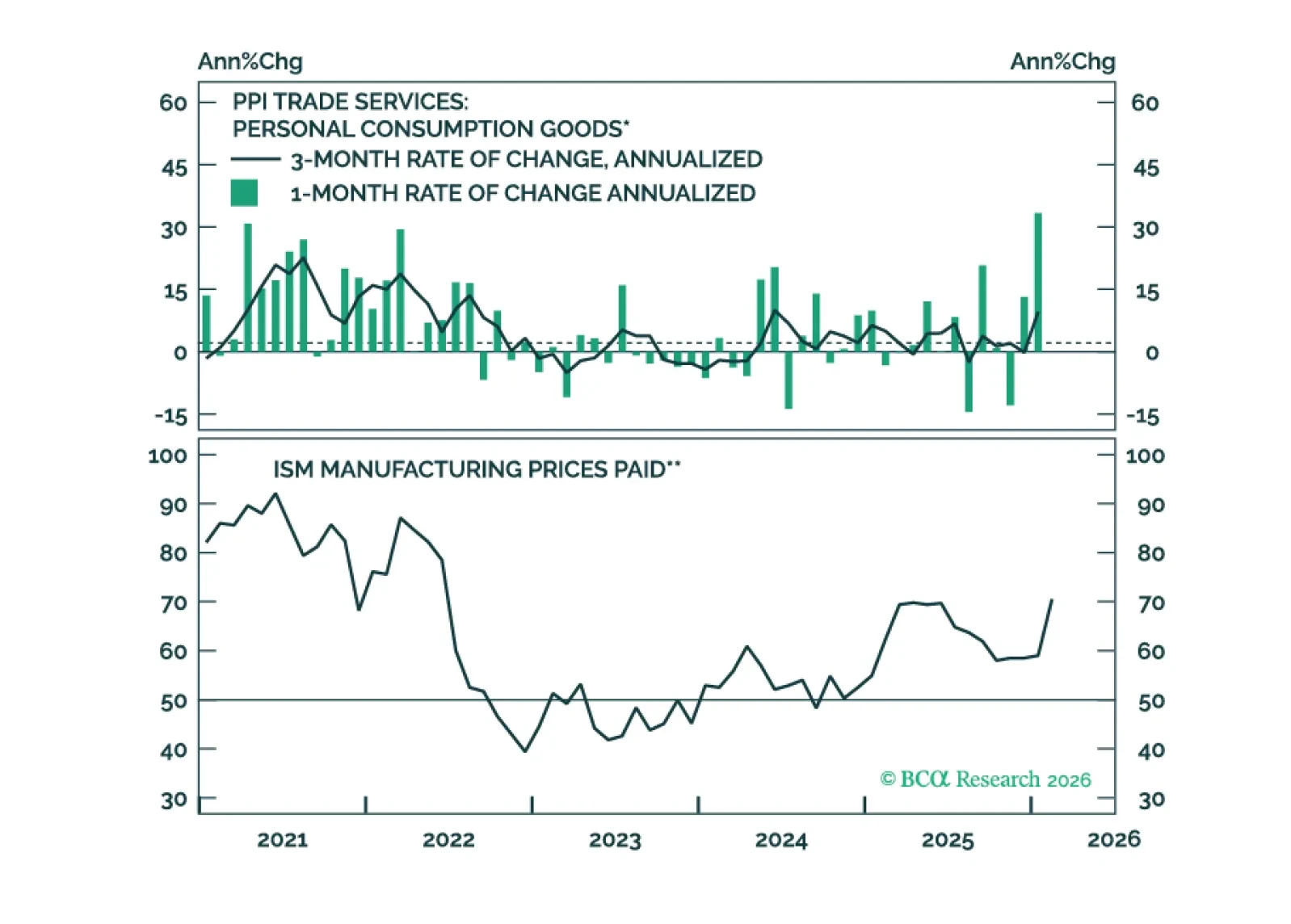

This screener report builds on the US Equity Strategy and Equity Analyzer collaboration published on 23 February 2026, where we introduced our latest framework for assessing the US business cycle. Here, we apply the framework to our screener to identify how bottom-up equity positioning should adapt as the cycle evolves.

In the short term, there is plenty to be worried about in macro beyond the Middle East. The market was on thin ice before the Iran conflict. In the long term, the base case scenario remains bullish, but the war in the Middle East needs to be brief.

The war in Iran is disrupting global oil and LNG flows and remains a threat to regional energy infrastructure. Energy price risks remain skewed to the upside over the near term.

Since 1970, every US recession excluding the pandemic downturn was preceded by a sharp rise in oil prices. As I write this, WTI is trading at $71/bbl, up 24% year-to-date and up 19% relative to the Q4 2025 average. That said, today’s oil price is still only 8% higher than the average for all of 2025. If oil prices stay broadly where they are, the impact on the US economy should be limited.

It is too soon to sell the rip in oil or buy the dip in stocks. Stick with risk-off trades for now.

Middle East hostilities have triggered risk-off moves and pushed oil prices higher. Previous geopolitically driven oil price disruptions suggest that speed, persistence and equity market vulnerability relate to the degree of the market sell off. At the other end of the spectrum, energy stocks should benefit, but have already rallied significantly.
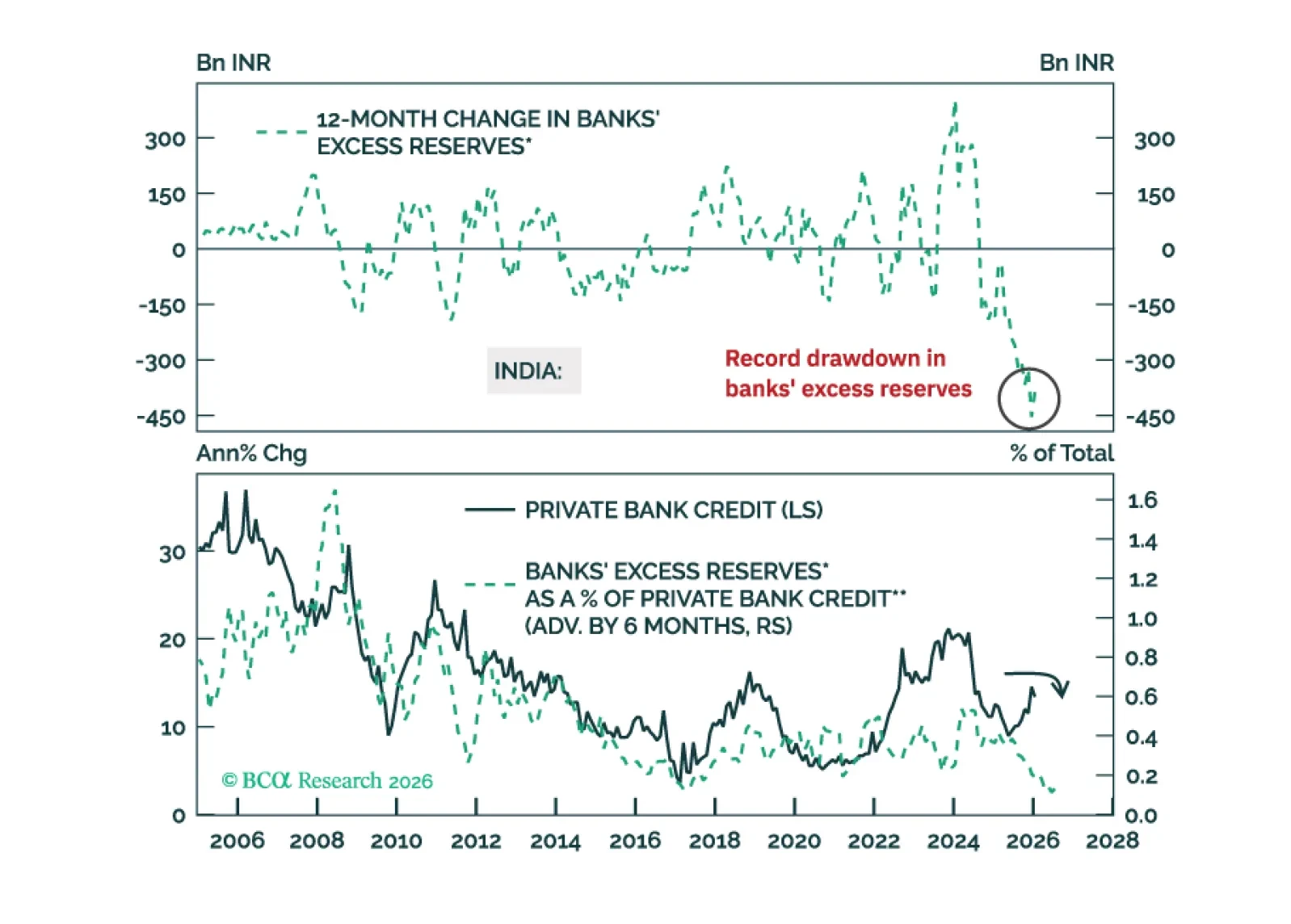
India is seeing net capital outflows for the first time in a generation. The central bank is selling foreign reserves to defend the rupee, which is draining banking system liquidity. The latter risks derailing the nascent credit revival. Indian stock prices remain vulnerable.

Since our Saturday missive, there have been several developments in the ongoing conflict between Iran and the US-Israel coalition.