Latest from BCA Research
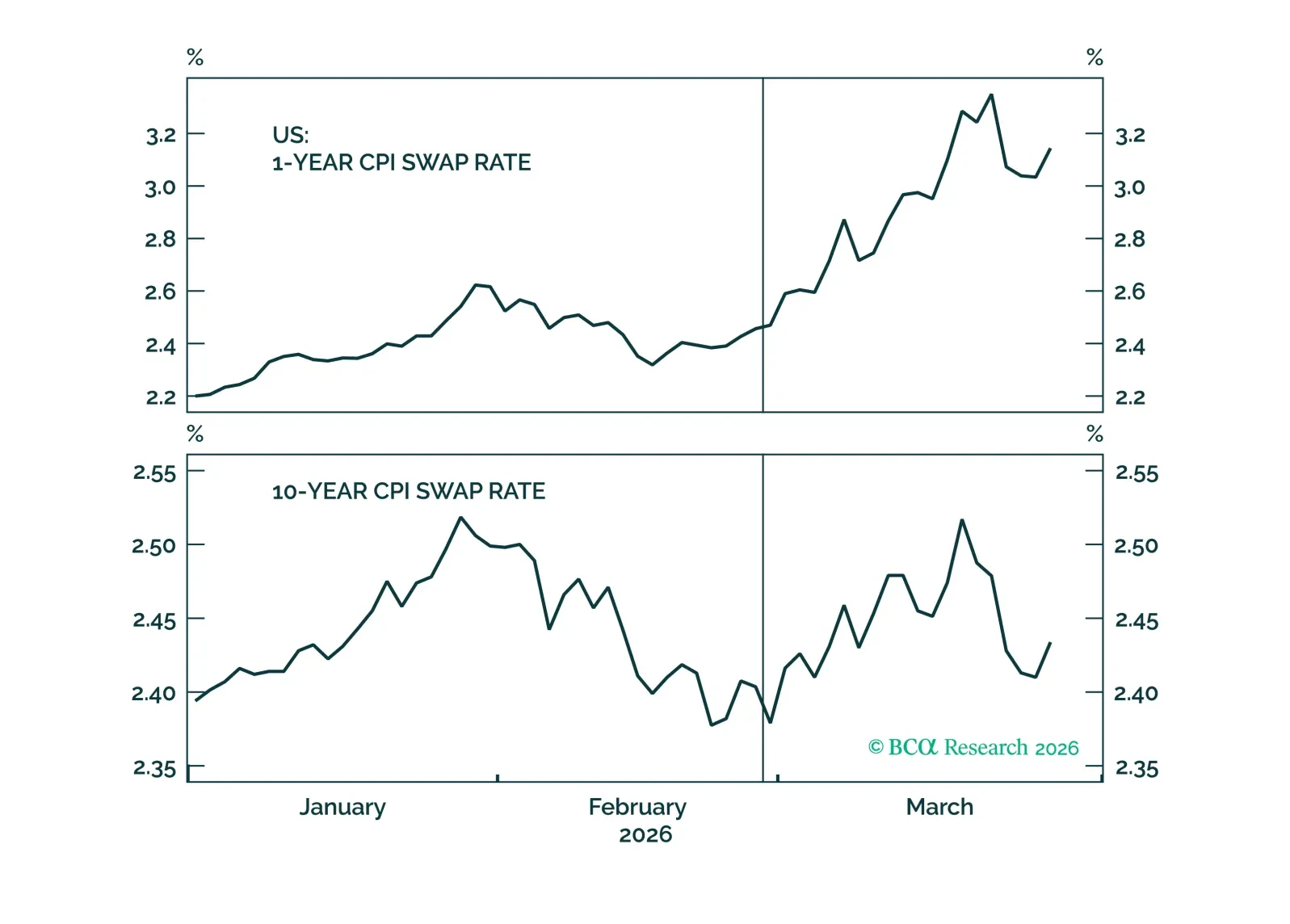
One month into the Iranian conflict, we take stock of how markets have moved so far and how some of the big open questions might influence them going forward. A long opportunity may be developing at the long end of the Treasury curve.

The current macro environment is a toxic brew of many of the same vulnerabilities that haunted the global economy in the lead-up to past recessions: Rising oil prices, an unsustainable tech capex boom, elevated equity valuations, excessively high homes prices, and brewing stresses in private credit and other parts of the financial system. While global equities look increasingly oversold in the very near term, they will still finish the year below current levels.
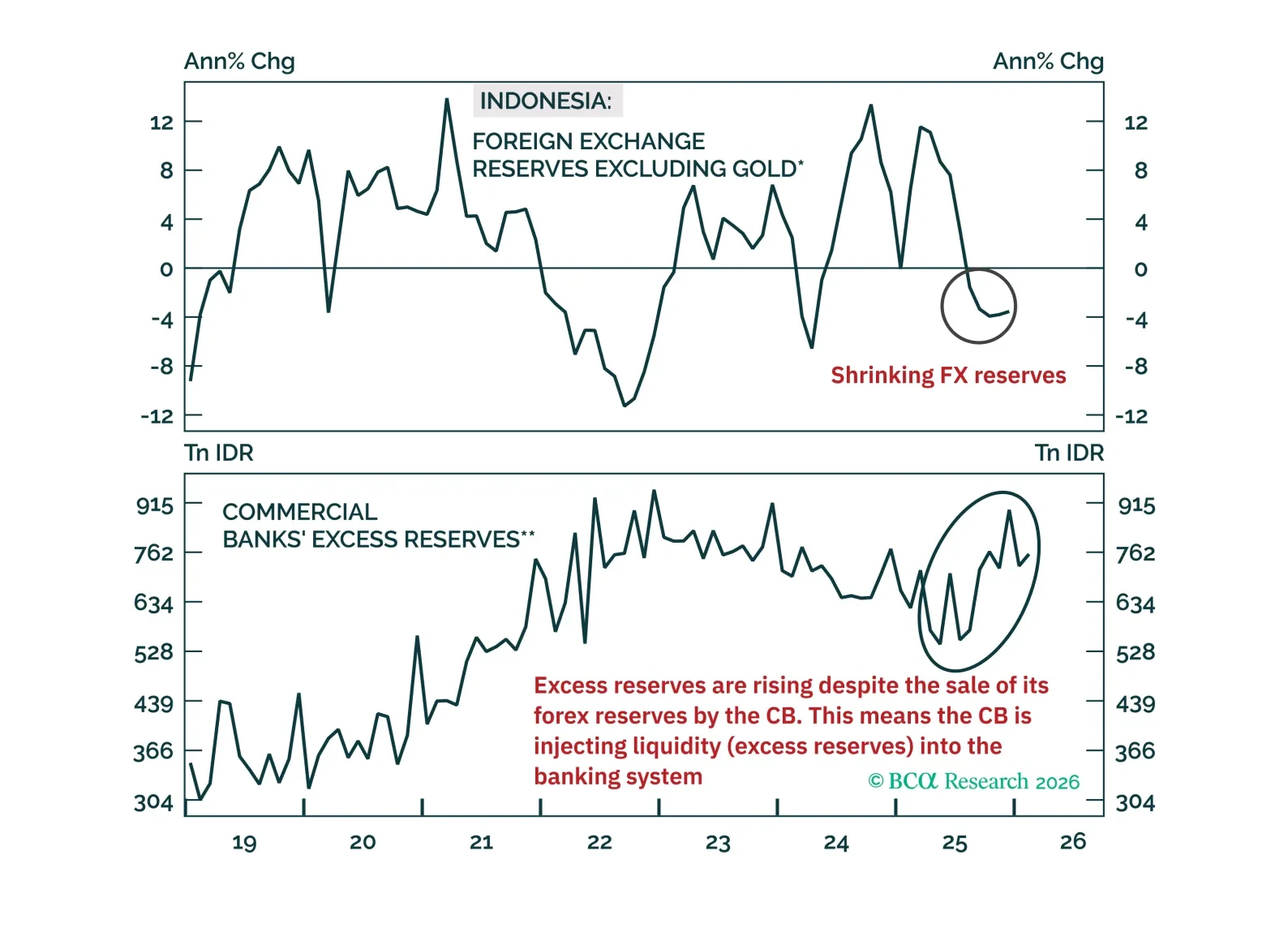
Indonesian rupiah will continue to plunge, and its local-currency bond yields will rise materially. Investors should short domestic bonds, currency unhedged.


The Iran war may not deescalate in the near term, and if it does, it will likely reescalate later this year, suggesting investors should take a cyclically defensive outlook.
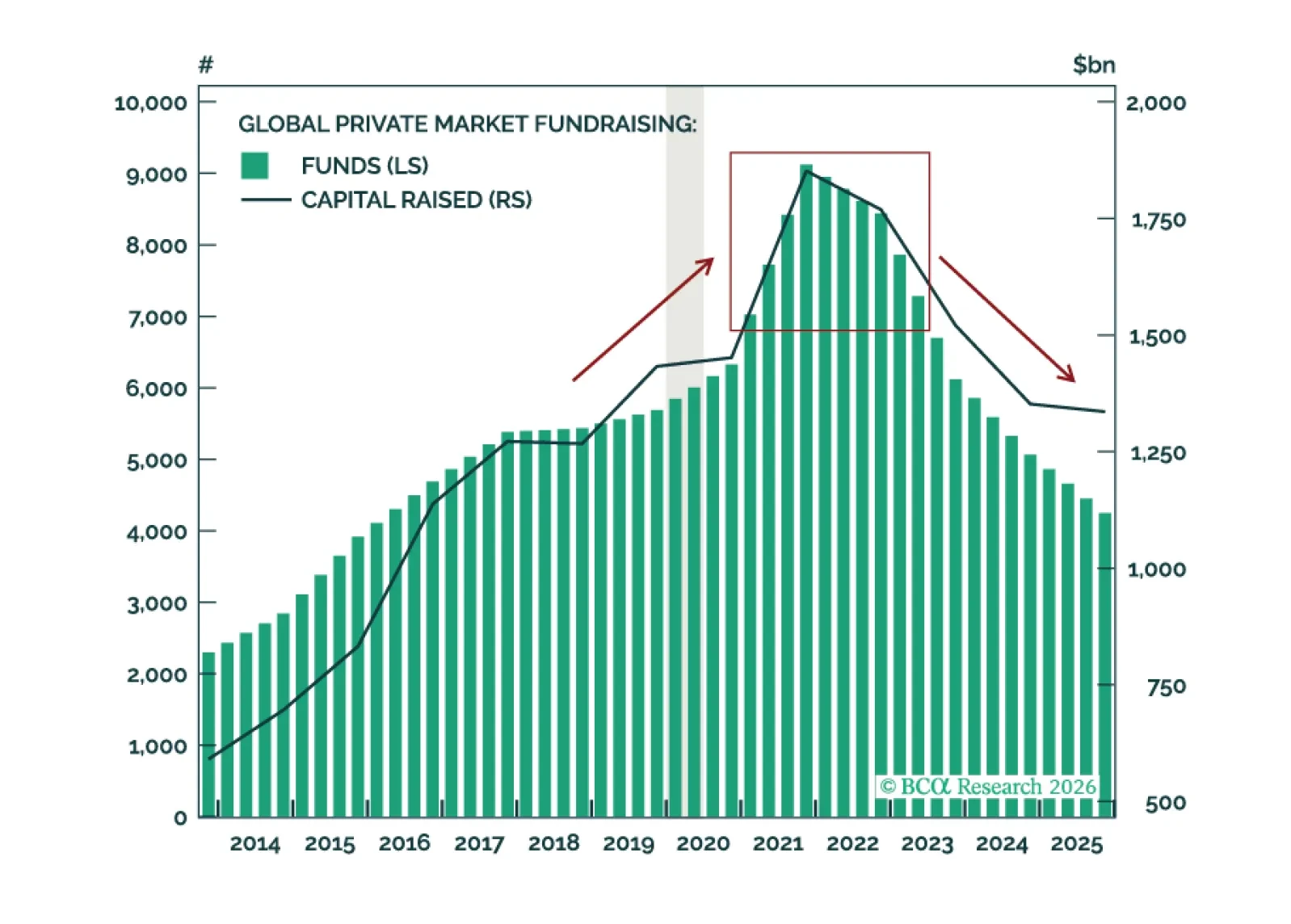
Investment risk in Private Markets differs from that in Public Markets. It unfolds over time, with today’s issues coming from yesterday’s investments. We explain why, and more importantly, why the next dollar now faces lower risk across both macro and fundamental drivers. Just do not expect a discussion about standard deviations.
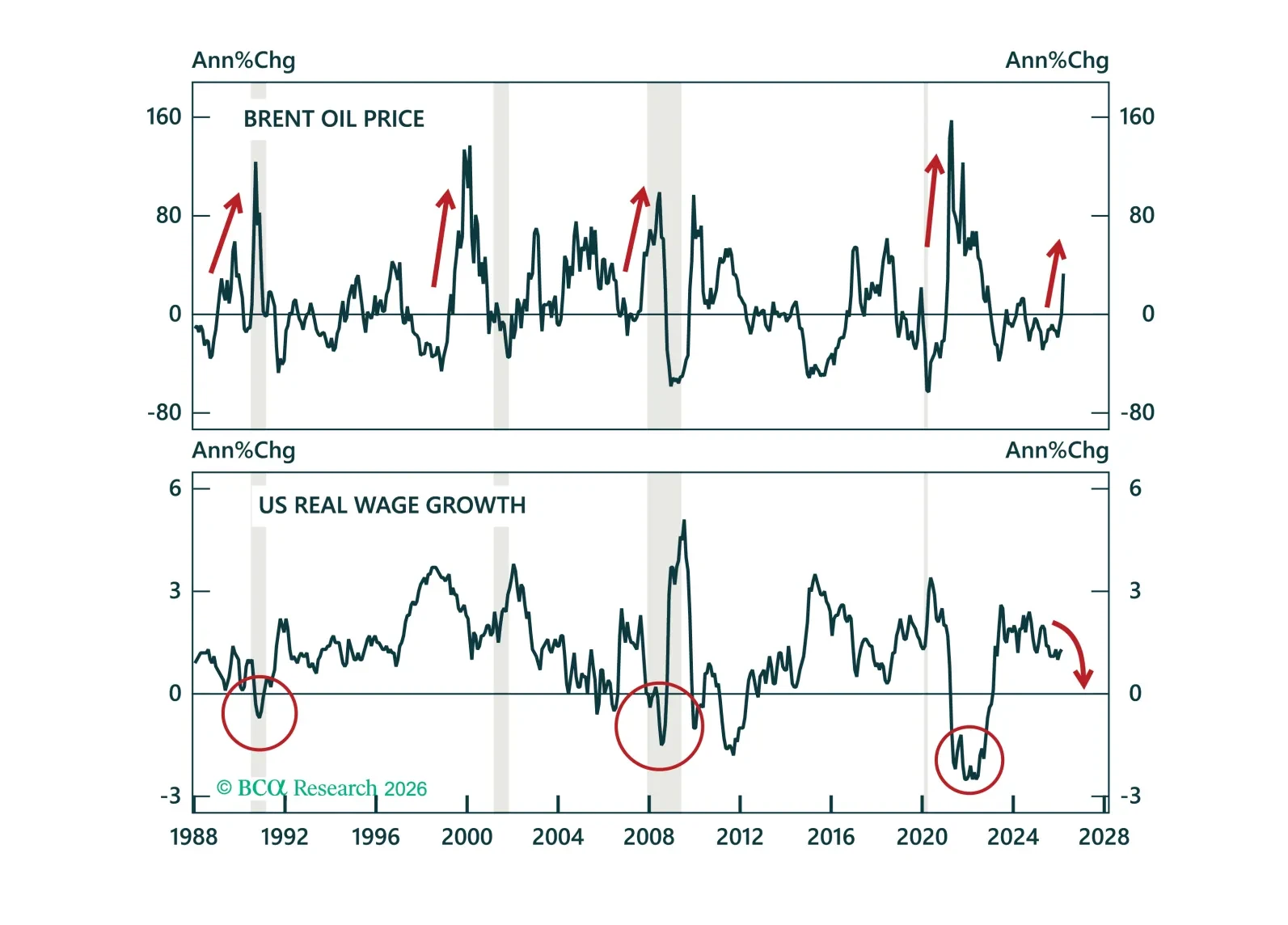
In today’s Strategy Insight, we show why both a quick resolution and a prolonged crisis ultimately point to lower yields.

Chinese stock prices are converging with economic growth after a 2025 rally. While the country can endure a short-term oil price shock, it remains susceptible to extended supply disruptions and a global slowdown.
When the fog of war is thick investors need hard facts and data to cut through the uncertainty. Unfortunately, when it comes to physical commodities, publicly available macro data obscures the reality of moving molecules around the world. Thankfully, we at BCA Research have spent the past eight decades building relationships with clients who do all sorts of things for a living. These folks may rely on us for help with the macro context, but they are all experts in their own subsets of the financial industry.