FICC
One macro framework for rates, FX, credit, and commodities, helping investors connect cross-market signals and position with clarity and conviction.

On net, the upside risks to crude prices have increased. These dynamics are likely to produce volatility over the near term. Elevated geopolitical risks could sustain upward pressure on prices over the coming months. Nevertheless, the conditions are not yet in place to warrant a change to our cyclical view.

This report looks at the likely path for the dollar and bond yields over the next 6-to-12 months.

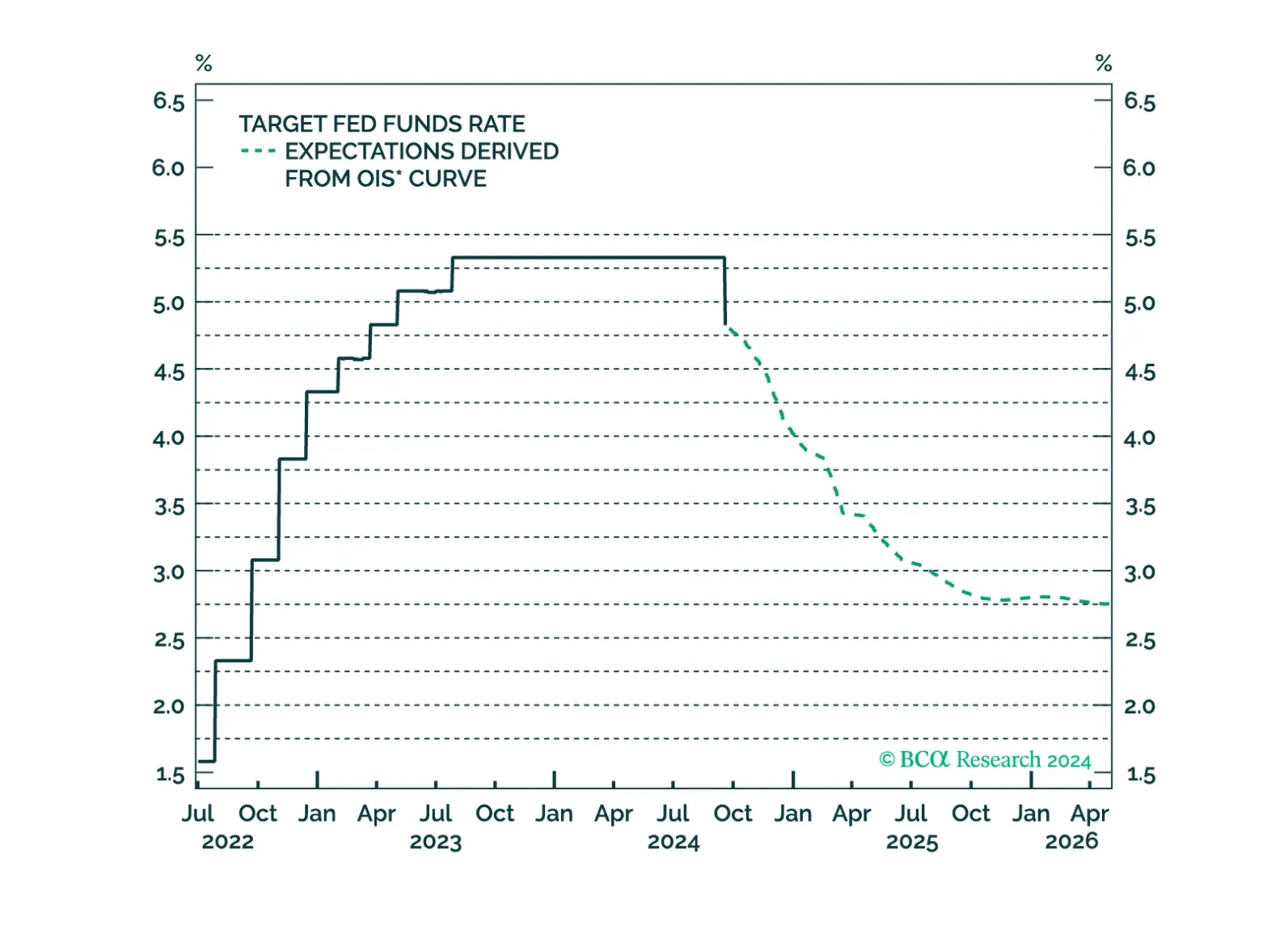
The bond market priced out a lot of recession risk after this morning’s employment report, and the 10-year Treasury yield has moved back into the Soft Landing Zone. We assess the data and consider whether we need to change our cyclical positioning.

Our Portfolio Allocation Summary for October 2024.

We consider the possibility that lower interest rates could lead to an increase in household borrowing, prolonging the economic recovery.

US crude oil output has not peaked. It will continue to increase. A continued expansion of US production, even if it is moderate, along with a possible increase in OPEC+ output, will lead to an oversupplied oil market. Moreover, we expect the demand headwind from the business cycle slowdown to weigh on crude prices. Over a 6-to-12-month horizon, the path of least resistance for oil prices is to the downside.
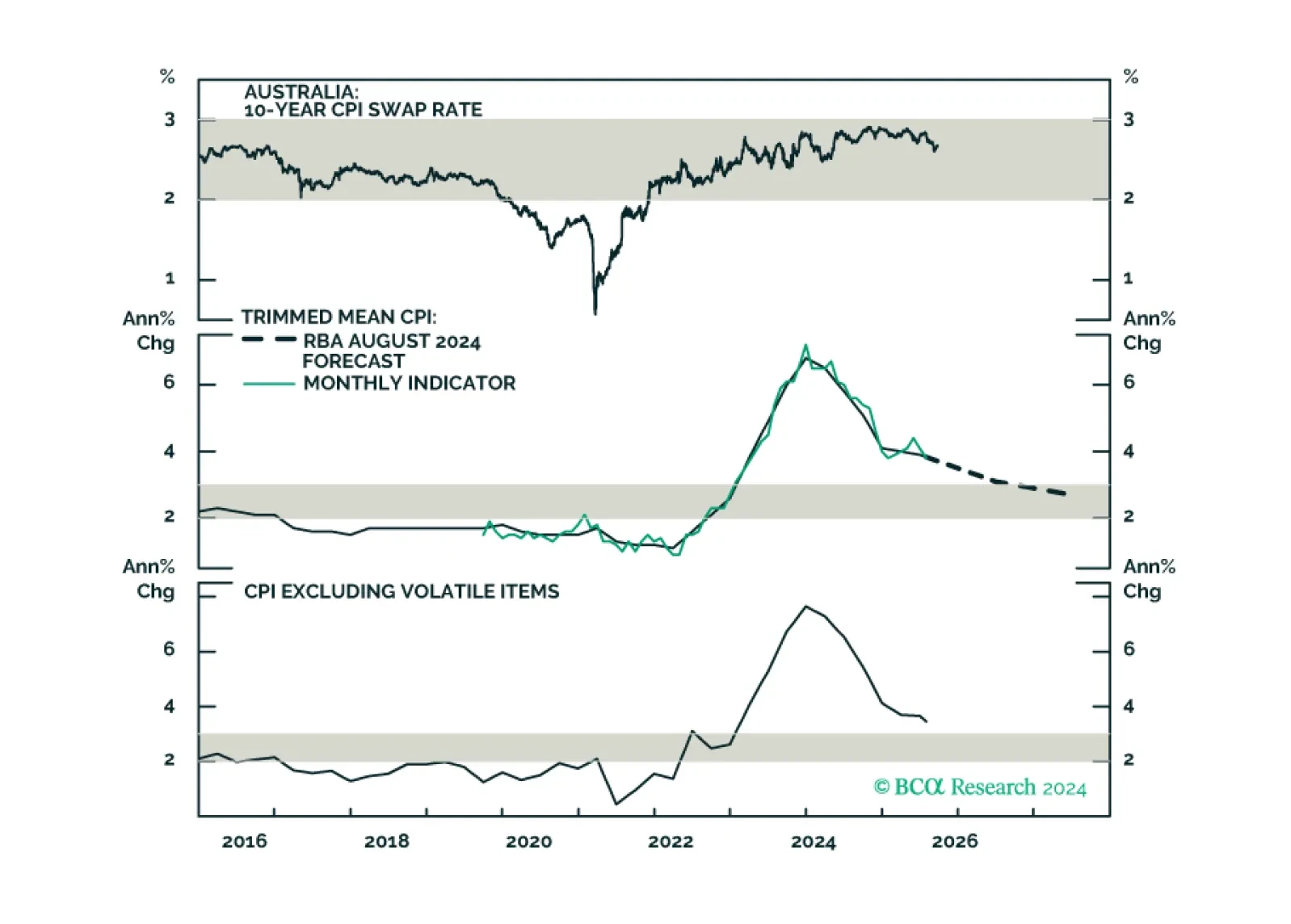
This insight parses through the RBA’s latest policy decision, and makes recommendations on whether to expect any rate cuts in 2024, and beyond.
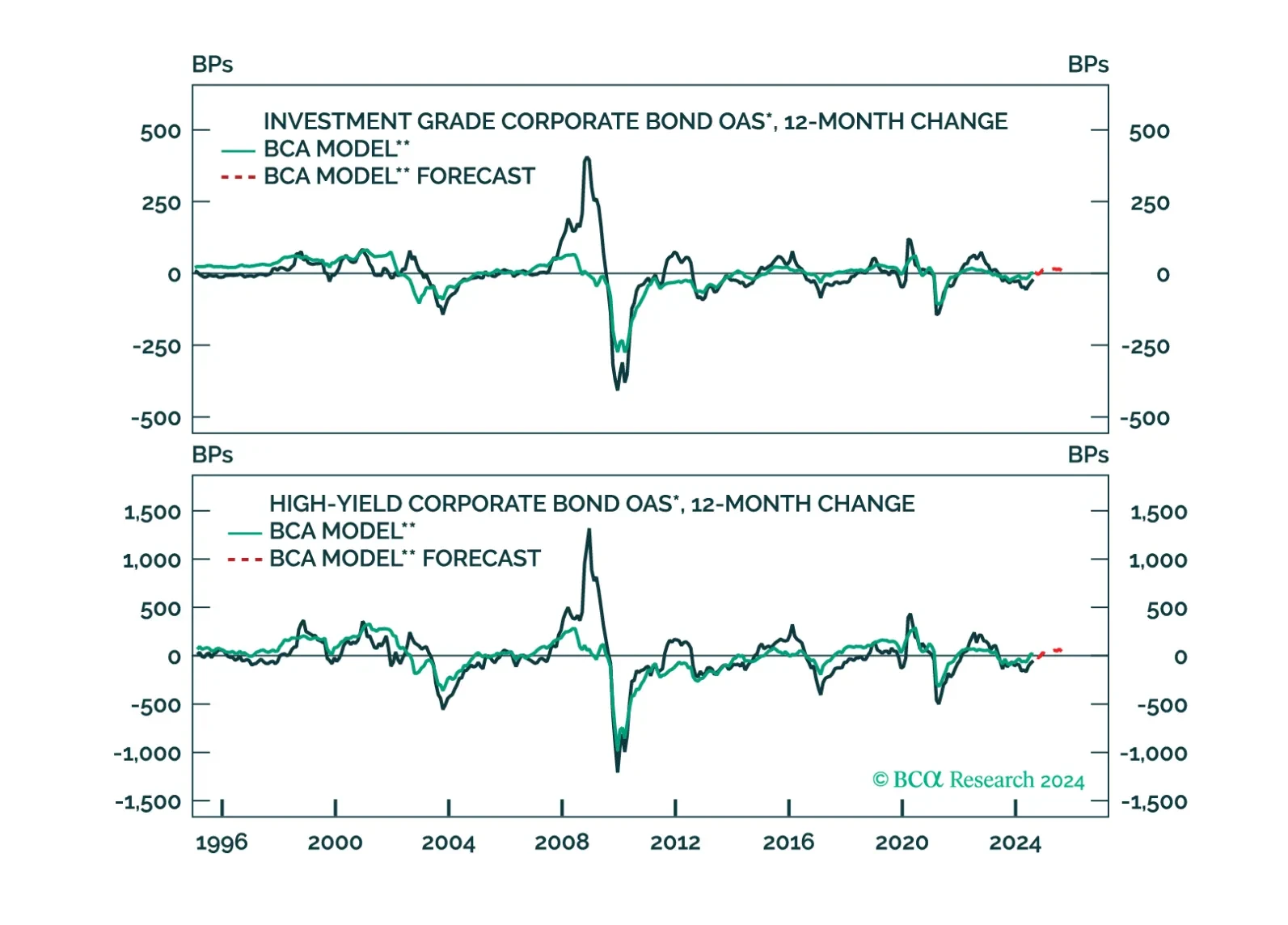
We update our corporate default rate model and consider the implications for corporate bond spreads.